The Holiday Issue
They’re here!
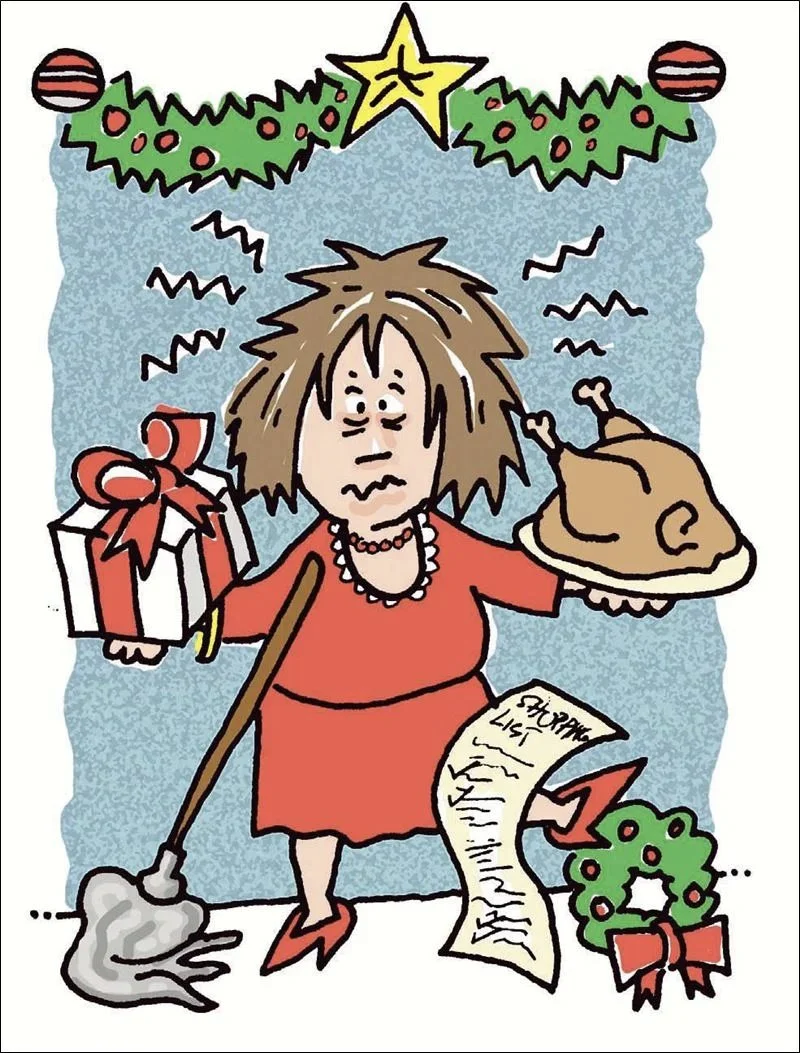
Every year I marvel at how fast the holidays approach, and every year I am rushing to prepare for all that has to be done. Perhaps some of you cleverly do your holiday shopping over the year, picking out thoughtful gifts as you go. I wish I could be that person! Instead, I deal with an inevitable deluge of tasks added to an already long to-do list. Not to mention that December is the busiest month in healthcare. Despite the stress and angst, I really do love the holidays—just ask my office staff!
—Dr. Sogol Jahedi
Holidays, Stress and Mental Health
As enjoyable as the holidays are for some, the fact remains that, for many, this is the most difficult time of the year. In 2014, the National Alliance on Mental Illness found that 64% of people with mental illness say the holidays make their conditions worse. A 2021 survey showed that 3 in 5 Americans feel the holidays negatively impact their mental health.
Sometimes, holidays are hard because we are grieving or lonely. It can be extra difficult to cope with sadness when it feels like everyone is focused on it being “the most wonderful time of the year.”
Yet holiday stress is common regardless of our baseline mental health. For many, financial concerns play a part. Stress, we know, can lead to physical illness, depression, anxiety and substance misuse.
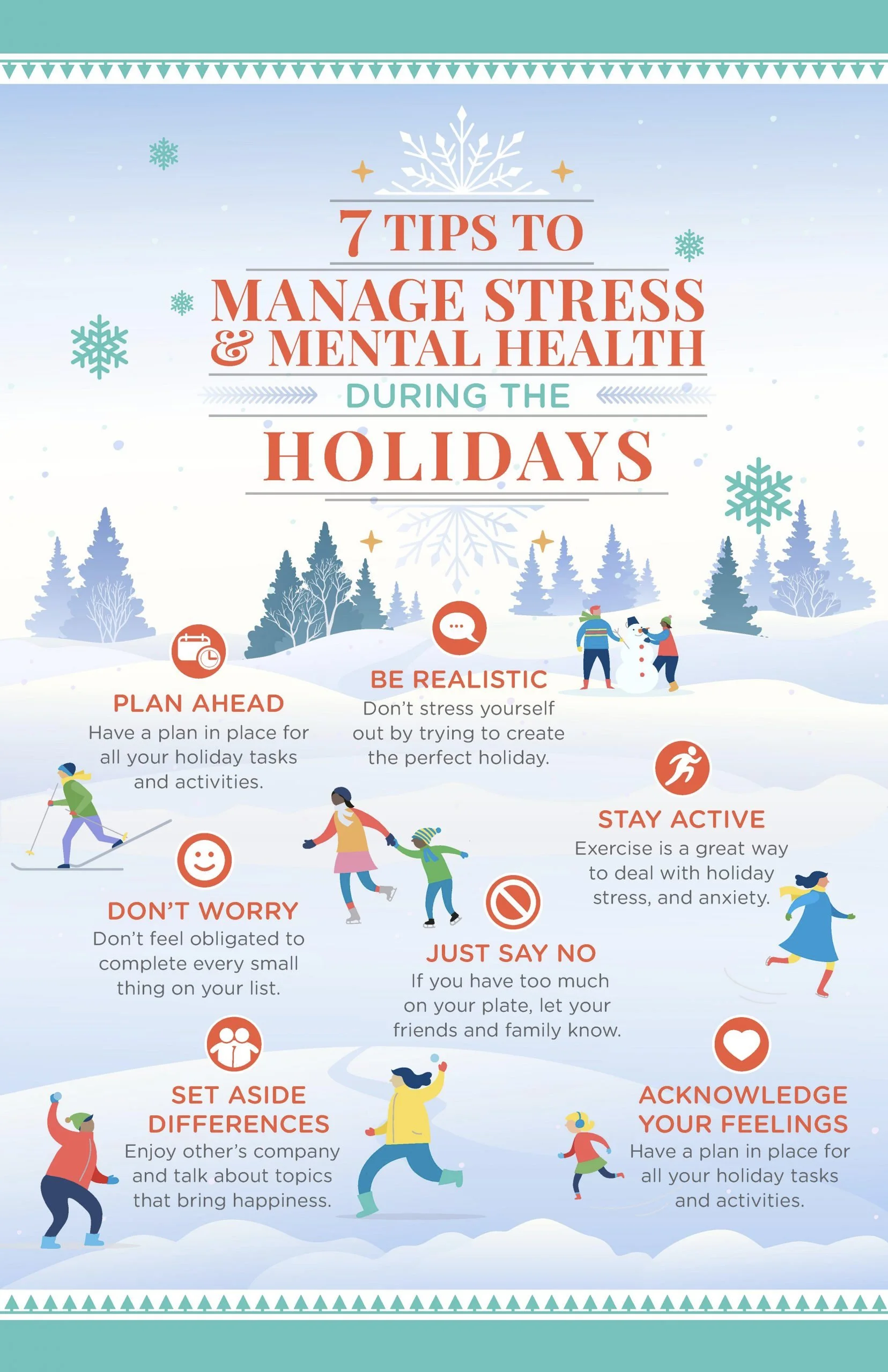
How to cope? Here are a few strategies:
Maintain normal routines to strengthen your focus on your progress. Get enough sleep, work out, make healthy eating choices.
Take time for yourself. This may mean declining some holiday invitations if life gets too busy.
Avoid isolation by making plans with others. Seems to contradict the above? The key are social events that help you mentally—not the dreaded “command performances.”
If large family gatherings are a mental health trigger, try to keep get-togethers small.
Write out your to-dos to avoid feeling overwhelmed.
Set realistic expectations. It’s okay that everything may not go as planned.
Helping Others, Too
The holidays can be especially difficult for those who are alone. If you are able, extend an act of kindness to those you know are without family and friends during this season. An interesting study in Social Psychiatry and Psychiatric Epidemiology suggests acts of kindness decrease social isolation and loneliness, which are increasingly linked to a variety of negative health effects. There's growing evidence of other benefits, too, with kindness associated with lower blood pressure and levels of the stress hormone cortisol.
Some ways to incorporate acts of kindness into your life:
running errands for a neighbor
walking a friend's dog
leaving a bigger tip for a service worker
picking up groceries for an older person
listening to a friend or colleague who's having a bad day
helping your partner with an undesirable household chore
making a donation to charity
offering your seat on mass transit to someone who's standing
signing up to volunteer in your community
and (my favorite!) paying for the coffee order of the car behind you in the drive-through line
Some Feel-Good News
As the end of 2025 approaches, I reflect on a year of political drama and worrisome world news. These topics are heavy and can easily overwhelm. To combat this, here is some much-needed good news. May you find permission to drink coffee, eat chocolate and (if you wish!) get a puppy.
Not all chocolate is created equal

Dark chocolate may reduce the risk of diabetes! A Harvard study in the British Medical Journal in December 2024 showed that eating dark chocolate may be associated with a lower risk of developing type 2 diabetes. That’s likely due to chocolate’s concentration of flavanols, which are antioxidants that can improve insulin sensitivity. However, it is important to choose dark chocolate with a high cocoa percentage (at least 70%) and a lower sugar content to receive these benefits.
Dogs and cats may slow cognitive decline
In a May study in Scientific Reports, researchers assessed the link between pet ownership and cognitive decline and found that people with dogs showed a slower decline in memory compared to those who did not own pets. Interestingly, cat owners experienced a slower decline in verbal fluency (the ability to easily and rapidly produce words). This work adds to growing research suggesting that pet ownership has a host of physical and mental health benefits.
The many health benefits of coffee
We already know that coffee lowers a woman’s risk from some of our leading causes of death: coronary heart disease, stroke, diabetes and kidney disease. Now add more benefits. Johns Hopkins researchers say that women age 65 and older who drink two to three cups of coffee a day are less likely to develop dementia in general, and that coffee drinkers — decaf or regular — are 26% less likely to develop colorectal cancer. Coffee drinkers more typically have liver enzyme levels within a healthy range and, to top it all off, are less likely to get type 2 diabetes.
Need a gift idea? Give the gift of self care
Consider gifting a loved one an Advanced Gynecology annual membership. Our annual rate is $500. We will provide a lovely certificate that can be presented for the ultimate gift: health and wellness! 😁
Insurance plans for 2026
NPR had a great article on picking out health insurance plans. It’s a good idea to call your plan to make sure that we are in network. (Dr. Jahedi’s NPI number, 1922265701, may help.) We do not always get updates from the insurers about our placement in their plans’ tiers, so it can be a rude awakening to start a new year finding out that we were “tier 1” but are now “tier 3.” This industry keeps us all guessing. If we can help you decide which plan best lets you keep your doctors, please reach out.
From Greta, our office manager:
—> Check us out on Instagram! We have a new and improved presence.
—> We are so excited to share that Country Magazine featured Dr. Jahedi this fall in its annual feature, “Barrington’s Power Women.”

Ending on a sweet — and spicy! — note
Did you know? Some of our favorite holiday spices have health benefits.
Cinnamon is a staple in many seasonal recipes (apple or pumpkin pie, cider, and on sweet potatoes). It helps regulate blood sugar by helping cells use glucose more effectively.
Cloves are fundamental to gingerbread and pumpkin pie. They are high in antioxidants, vitamins and minerals, and research also suggests that they have antimicrobial properties.
Ginger can complement root vegetables like carrots and sweet potatoes—not to mention gingerbread cookies! It’s well known for its digestive benefits, helping nausea, gas and bloating.
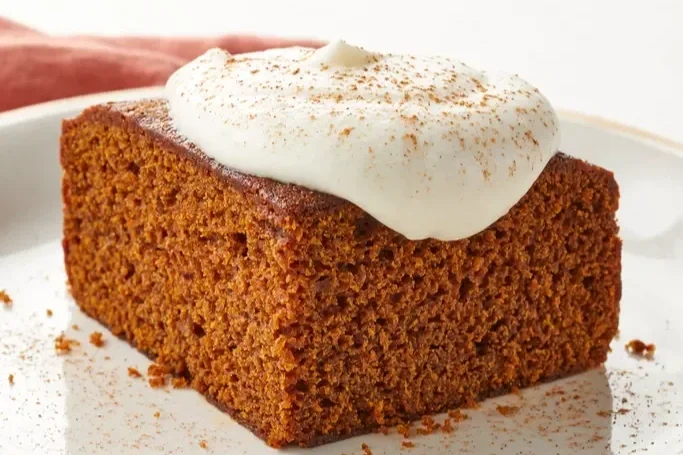
Here is a tried-and-true recipe for Favorite Old Fashioned Gingerbread that uses all three of these powerhouse ingredients.
Finally, we at Advanced Gynecology want to wish you and your families a wonderful holiday. As always, we are honored by your decision to have us as part of your healthcare team. Wishing you much health and happiness in the coming year!
—Dr. Jahedi and Tommie, Marysia, Greta and Mallory at Advanced Gynecology.