
Here’s to a Healthy Summer

Happy summer, everyone!
This is my favorite season. ☀️
I will keep this newsletter short with a few summer health tips. I hope that you are easing into a slower pace of life now that school is out. May you have a season full of relaxation and sunshine, and moments enjoying our beautiful city outdoors.
—Dr. Sogol Jahedi
Hydration Matters 💧
While warmer weather has taken its sweet time to arrive, we know that Chicagoland summers get pretty hot! Folks are outside for prolonged hours at summer festivals, BBQs, carnivals and sporting events in the hot July and August months. That heat can bring more dehydration, fatigue and headaches—and even worsen symptoms related to hormonal changes.
Helpful reminders:
Increase water intake during outdoor activities. Carry a reusable water bottle. Add lemon, cucumber or berries for flavor.
Limit excess caffeine and alcohol in the heat.
Pay attention to changes in energy, sleep or mood.
If you’re feeling tired, headachy or sluggish, you may simply need more water!
Medications + Sun = Sunburn? 🧴
Sunburns can happen faster than you think — even on cloudy days. And we often don’t account for how medications and skincare products can change our sun sensitivity. The antibiotic doxycycline is well known for causing sunburn reactions, but ciprofloxacin and sulfonamides can, too. Acne and retinoid medications, including Accutane, adapalene and tretinoin, also accelerate ultraviolet effects. Blood pressure medications such as hydrochlorothiazide can, too, as can some antidepressants like citalopram. Even birth control methods can make your skin more sensitive to the sun if they contain estrogen.
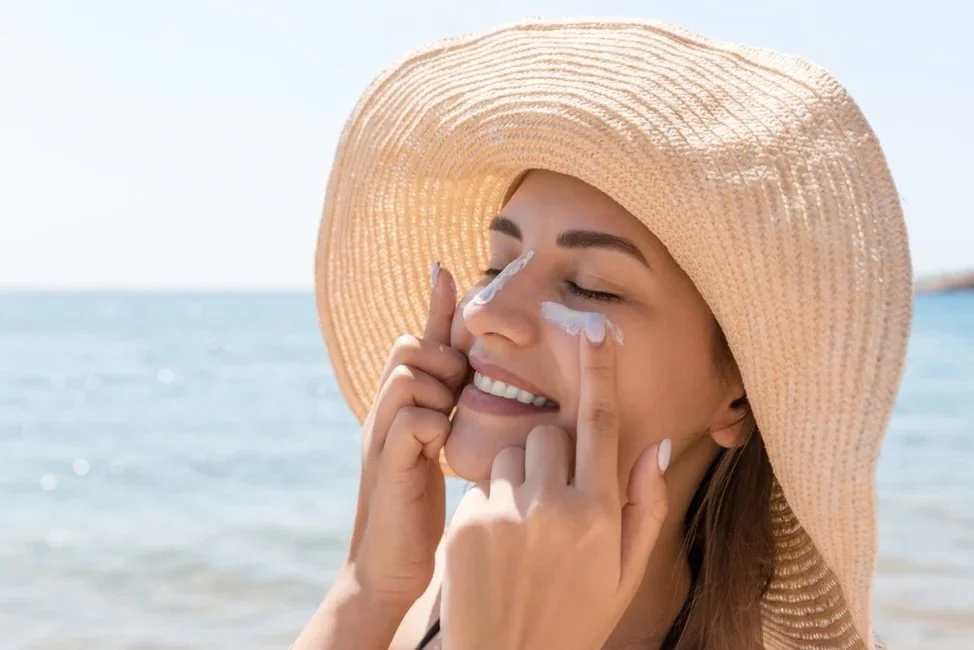
That’s a big list to keep track! Better that we simply embrace these safe summer habits:
Wear SPF 30+ daily.
Reapply sunscreen every 2 hours when outdoors. Don’t forget chest, neck and hands.
Hats and sunglasses help, too.
If you’d like more on medications lined to photosensitivity, review this list, or ask our office. And don’t fall for these common sunscreen myths!
Move More, Stress Less 🚶
Summer is perfect for:

Evening walks. Walking is an excellent exercise choice that doesn’t cost anything! Walking after dinner boosts metabolism, stabilizes blood sugar by encouraging muscles to absorb excess glucose, and improves gastric emptying to prevent bloating or acid reflux. A low-intensity, 10 to 15-minute stroll is all it takes to trigger these beneficial effects.
Bike rides. Focusing on the road acts as a moving meditation, improving your concentration while the fresh air actively elevates your mood. Biking is also great for those with joint pain. It provides an excellent aerobic workout that is significantly easier on your knees, hips and ankles than running or walking.

Gardening. This is a great, full-body workout for gym avoiders and works as a vitamin D booster as well! Fun fact: Dirt is nature's antidepressant. Inhaling Mycobacterium vaccae—a harmless bacteria found naturally in soil—has been shown to stimulate serotonin production in the brain, helping to reduce anxiety and boost your mood.
There are so many ways to stay active in the outdoors—like swimming, pickleball and tennis. So savor the good weather in your favorite way! Just 20–30 minutes outside can improve sleep, energy and long-term health outcomes.
Seasonal Nutrition Matters 🍓
Fresh summer produce provides essential hydration, antioxidants and nutrients. Delicious finds can be had at your local farmer’s market.
Prioritize hydration. Water-heavy items like cucumbers (95% water) and watermelon (92% water) help maintain fluid levels and prevent dehydration in the summer heat.
Eat the rainbow. Deep-colored options like berries are packed with antioxidants that decrease inflammation, while peaches and nectarines supply vitamins A and C to support digestion and eye health.
Balance blood sugar. Pair summer fruits with a protein or healthy fat (e.g., sliced peaches with cottage cheese or berries with almonds) to prevent sugar spikes.
Flavor without the salt. Enhance summer salads with fresh herbs like basil, mint or cilantro instead of reaching for extra salt.
Don’t Get Bugged 🦟
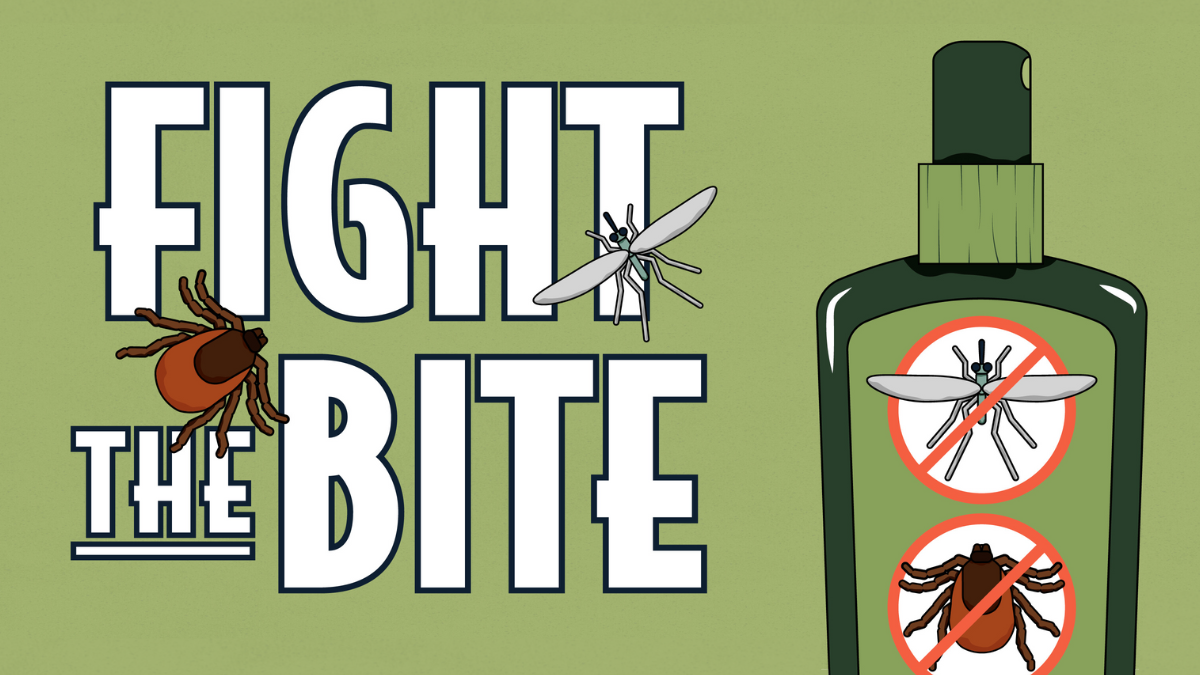
I admit, summer has a drawback or two. More than just an itchy nuisance, mosquitoes can carry West Nile virus, which can cause flu-like symptoms. Tick-borne infections like Lyme disease are up sharply due to milder winters and changing habitats. Ticks thrive in wooded, brushy and grassy areas.
Protect yourself by:
Using EPA-approved insect repellents with DEET or picardin. Apply sunscreen first, then insect repellent.
Check for ticks after hikes—on both you and your pets!
Wear light-colored clothing in wooded areas and long sleeves at dusk.
Empty standing water around your home (buckets, flowerpots, birdbaths).
On the Gynecology Front…
Here are some specific, seasonal health considerations, ranging from vaginal microbiome maintenance in warm weather to travel-related care.
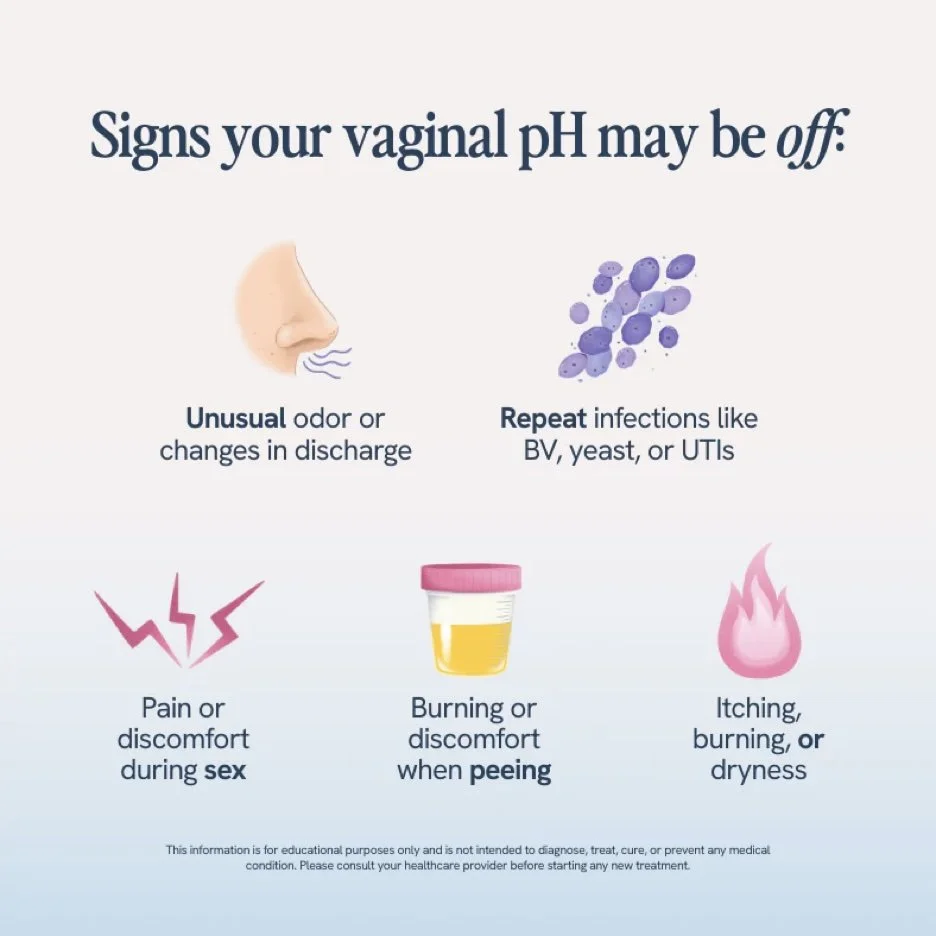
Yeast Infections & Vaginitis. The swim season comes with a higher rate of vaginitis. Chlorine from swimming pools and bacteria from lakes or oceans can irritate the vulva and alter your natural pH. Remaining in wet or sweaty clothing creates a warm, moist breeding ground for bacteria and fungus. Synthetic fabrics and tight shorts trap heat and sweat, speeding bacterial overgrowth. Take off wet swimsuits and sweaty activewear right after your swim or exercise. Opt for lighter and more breathable clothing—especially cotton underwear. Cotton keeps moisture away from the body and helps to prevent bacterial vaginosis and yeast overgrowth. Learn more about vaginal infections to stay your healthy best!

More frequent UTIs. Dehydration, a common summer issue, and prolonged wet clothing can promote urinary tract infections (UTIs). If you don't drink enough water, you produce less urine—and that gives bacteria more time to sit in the urinary tract. Bacteria thrive in warm, moist environments. Sitting in a damp swimsuit traps moisture around sensitive areas, increasing bacterial growth. Plus, during outdoor activities or travel, it's tempting to hold your urine for longer. That, too, means more time for bacteria to multiply in the bladder. To prevent UTIs, make sure you stay hydrated, change out of damp swimwear quickly, and don’t hold your urine!
Travel & Contraception. If traveling, plan ahead for sexual health. Keep birth control pills, patches or rings in your carry-on bag. Checked luggage can experience temperature extremes that ruin medication or get lost in transit. For birth control pills, adjust your dose relative to the local time in your destination country. Finally, speak to your pharmacist about obtaining an early refill or an extra backup pack before your departure.
Quick Summer Health Reminder ✔️
The slower pace of summer is a great time to schedule annual checkups, sports physicals and preventive screenings. Come fall, things will get busy again.
Enjoy the sunshine, stay active and have a healthy summer! ☀️

Greta’s Corner
Hello, A.G. members! Some updates from your office manager…
—> For quick, timely health tips from Dr. Jahedi, follow us on Instagram or Facebook!
—> How was your experience at Advanced Gynecology? How can we improve? Let us know with your Google review.
—> After many same-day cancellations and no-shows, we are instituting a $50 cancellation fee. Please give us 24 hours' notice to avoid this. Our patients with emergent problems will gladly make use of your cancelled time slot. Thank you!
A Member Writes
“Dr. Jahedi and her staff are so flexible with making last-minute appointments if something is going on with you. … With other doctors, you may not be able to get in for over a week and may end up in urgent care. The deductibles for those visits are not cheap. When you factor things like this in, the membership fee really pays for itself. Totally worth the service they provide!
—Leah M., patient
We agree, Leah! Urgent situations are when patients least want to seen by a stranger. If you’d like a doctor who’s there when you need it most, learn below how to join Advanced Gynecology.